
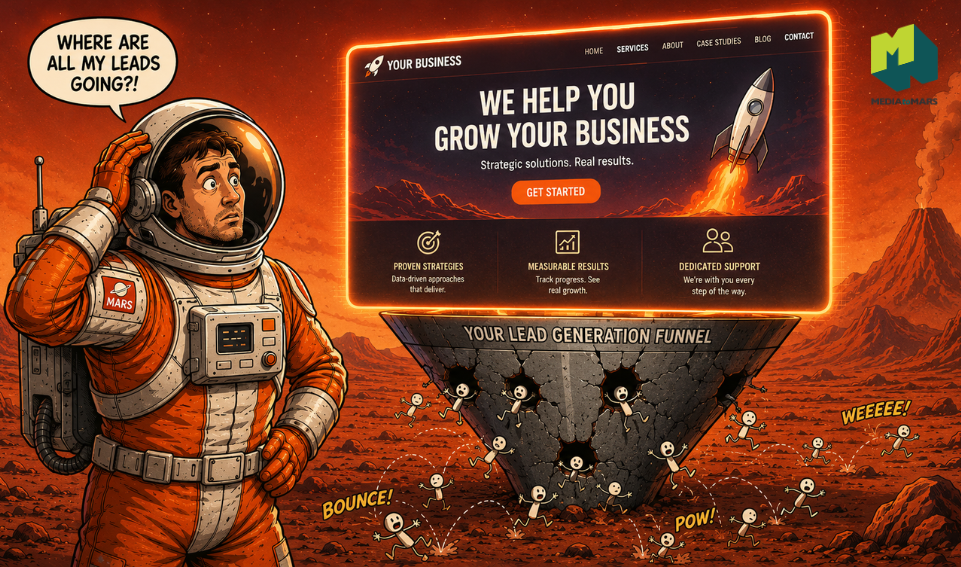
There are a lot of iGaming B2B sites that appear attractive and professional, yet are unable to generate new business (lead generation) from potential customers. The sites have examples of compliance badges, logos of partners, and an attractive image at the top of the page that, while they may look good, do not tell the operator anything about why they should call you. The real issue is very often based on several simple problems that, with a little time and effort, can easily be addressed once identified.
Where the Conversion Rate Quietly Dies
Vague homepage copy. "End-to-end iGaming solutions" does not clarify or even hint to prospective customers about how you can assist them with their current issues.
No clear next step. People come to your page, check out a few things, and then leave without taking any action, other than "Contact Us" (hidden in the Menu, to say the least).
Rules and licenses before the actual point. While compliance or regulatory information is essential to some businesses, as important as the information is, if you have legal jargon on every page before a customer understands how you can benefit them, you may have pushed their primary concern down into paragraph four.
Forms that ask too much, too soon. Everyone needs to earn a trust factor before they are willing to give someone their business. As such, if you have a long application process before someone will trust you, you may have lost the prospect before getting them to convert to a customer.
No proof where it's needed. Additional examples of gaining trust and credibility are to show case studies and/or partner logos or names; however, they are usually located away from the call to action, such as buttons or hyperlinks that you want potential customers to click on.
Addressing these issues does not require a complete redesign of the existing website conversion optimisation, making the site more user-friendly by setting up the site based on how buyers think.
Step 1: Read the content,
Step 2: Confirm that what they have read is credible,
Step 3: Click a button.
Common Mistakes vs. What Actually Works
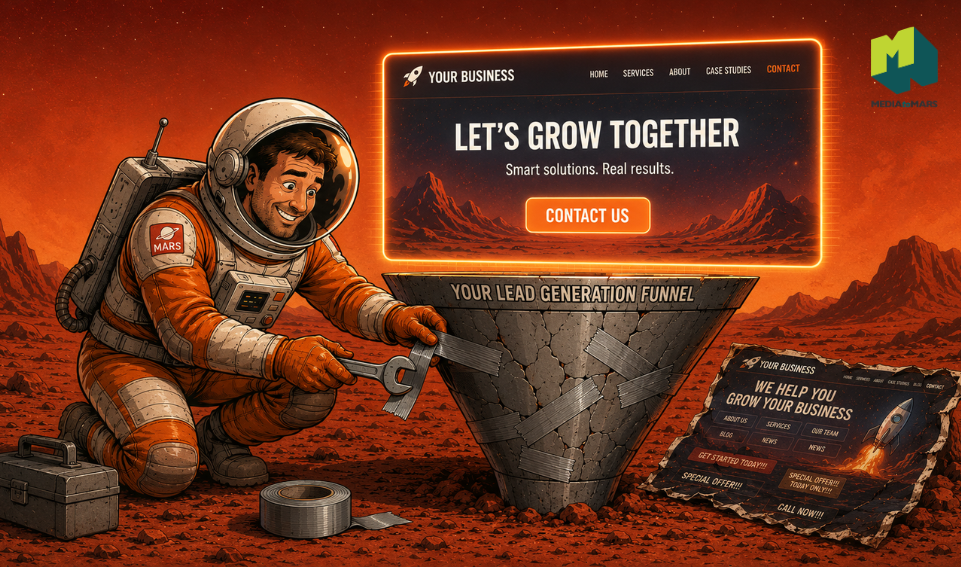
Why You Need Trust and Action on the Same Page
To create a successful B2B website design (online), two goals must be achieved: gaining the trust of potential customers with high-value decisions (like five- to six-figure contracts) and offering them a unique experience until they click leave. This is achieved through the landing page optimisation, where the layout and copy have combined to work together; whereas in previous pages/layouts/copy etc., when the copy was attempting to improve the user experience through confusion about the means of navigating the page.
Where to Start
You don't have to rely on your instincts concerning how to optimise conversions for iGaming B2B websites - most of those optimisations have simply been forgotten over time by the users. You can typically identify three main pages of focus: the homepage, the first page that the user would reach after clicking on a paid advertisement, and the contact form(s) that the user encounters in their path to speak with a sales representative. By optimising those pages, the majority of the lead losses will be regained.
FAQs
What is the 95/5 rule for B2B?
According to research at various periods of time, between 85 and 95 per cent of any individual B2B marketplace is not currently looking to buy, with only approximately 5 per cent currently looking to buy.
What is the rule of 7 in B2B?
According to statistics provided by Google and commerce experts, buyers must visit your brand approximately seven times before they will take a desired action.
Why is B2B sales so hard?
Compared to most B2C purchases, sales for B2B transactions generally take longer to close, usually involve more people in the decision-making process, and have a larger average price.